 Image 1 of 2
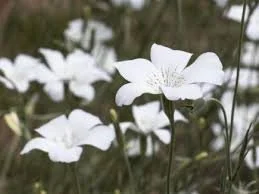 Image 2 of 2
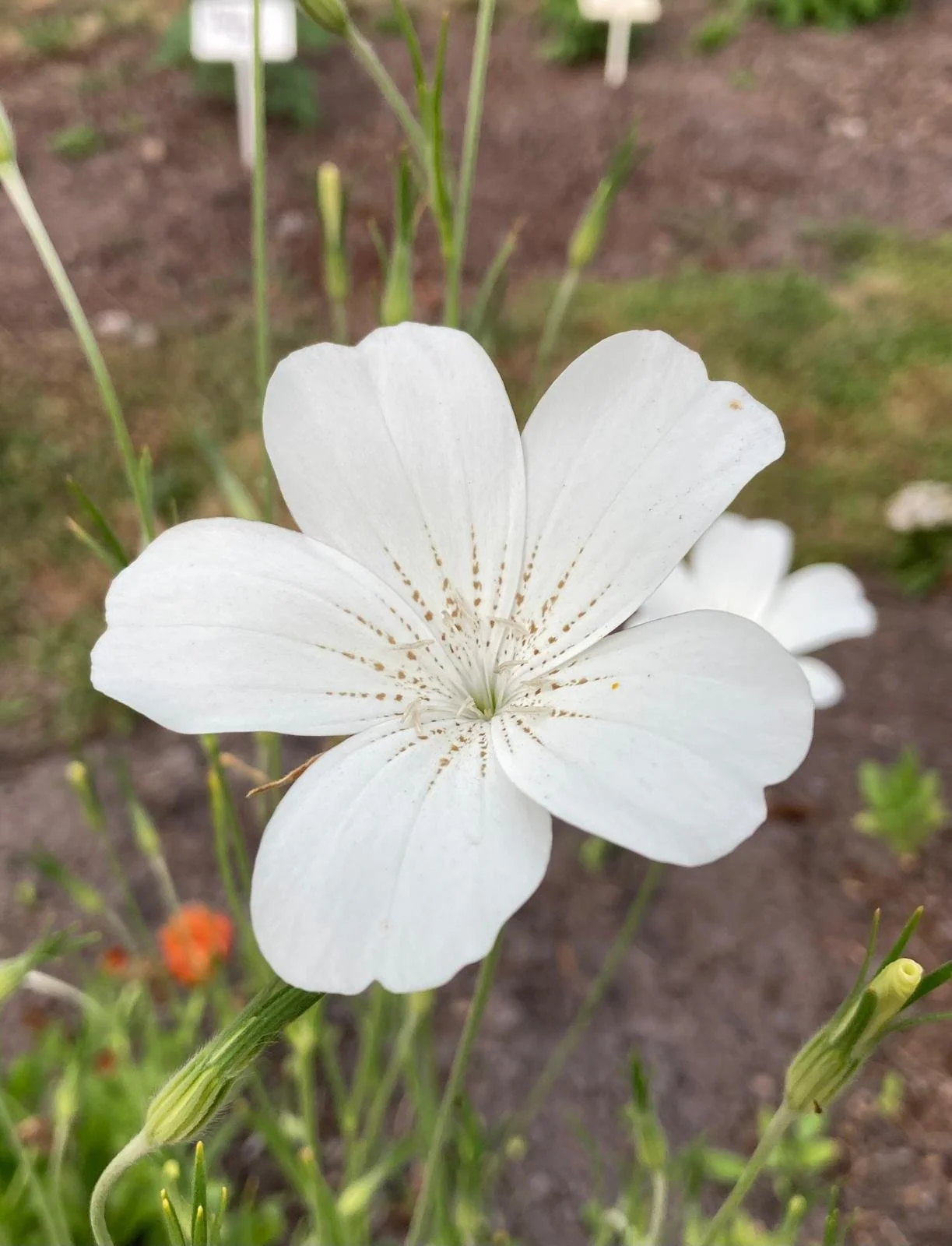
Agrostemma githago ‘Ocean Pearl’ is a striking, old-fashioned annual prized for its tall, graceful stems and papery, five-petaled flowers. The white form offers clean, bright blooms that stand out in cottage garden borders, cutting gardens, and wildflower meadows.
Flowers appear late spring into summer and attract pollinators while adding vintage charm to mixed bouquets.
Key features
Flower color: pure white, semi-translucent, papery texture
Height: 60–90 cm
Habit: upright, single-stemmed with branching near the top
Bloom time: late spring to midsummer (earlier in cool climates)
Growing preference: full sun to light shade, well-drained soil
Hardiness: grown as an annual; best in temperate climates
Sowing and care
Sow: Direct sow outdoors after danger of hard frost has passed. Seedlings dislike transplanting.
Depth: Cover lightly — seeds need light to germinate but a thin dusting of soil is fine.
Spacing: 20–30 cm between plants to allow air circulation.
Germination: 10–21 days at 15–21°C
Soil: Prefers lean to average, well-drained soil; avoid rich soils that encourage foliage over blooms.
Water: Moderate moisture; drought tolerant once established.
Fertilizer: Minimal feeding; excessive nitrogen reduces flower set.
Deadheading: Remove spent blooms to prolong flowering and reduce self-seeding if not desired. Many gardeners allow some seed to mature to naturalise.
Uses
Cottage and mixed borders: provides height and delicate texture.
Cutting garden: long stems and durable blooms for fresh arrangements.
Meadow or naturalized sites: lends period charm when allowed to self-seed sparingly.
Pollinators: visited by bees and beneficial insects.
Notes and cautions
Corn cockle is an heirloom wildflower historically common in grain fields.
All parts of the plant are mildly toxic if ingested; keep away from children and pets.
Self-seeding: plants readily produce seed; thin stands if they become too dense.
100 seeds per packet
Agrostemma githago ‘Ocean Pearl’ is a striking, old-fashioned annual prized for its tall, graceful stems and papery, five-petaled flowers. The white form offers clean, bright blooms that stand out in cottage garden borders, cutting gardens, and wildflower meadows.
Flowers appear late spring into summer and attract pollinators while adding vintage charm to mixed bouquets.
Key features
Flower color: pure white, semi-translucent, papery texture
Height: 60–90 cm
Habit: upright, single-stemmed with branching near the top
Bloom time: late spring to midsummer (earlier in cool climates)
Growing preference: full sun to light shade, well-drained soil
Hardiness: grown as an annual; best in temperate climates
Sowing and care
Sow: Direct sow outdoors after danger of hard frost has passed. Seedlings dislike transplanting.
Depth: Cover lightly — seeds need light to germinate but a thin dusting of soil is fine.
Spacing: 20–30 cm between plants to allow air circulation.
Germination: 10–21 days at 15–21°C
Soil: Prefers lean to average, well-drained soil; avoid rich soils that encourage foliage over blooms.
Water: Moderate moisture; drought tolerant once established.
Fertilizer: Minimal feeding; excessive nitrogen reduces flower set.
Deadheading: Remove spent blooms to prolong flowering and reduce self-seeding if not desired. Many gardeners allow some seed to mature to naturalise.
Uses
Cottage and mixed borders: provides height and delicate texture.
Cutting garden: long stems and durable blooms for fresh arrangements.
Meadow or naturalized sites: lends period charm when allowed to self-seed sparingly.
Pollinators: visited by bees and beneficial insects.
Notes and cautions
Corn cockle is an heirloom wildflower historically common in grain fields.
All parts of the plant are mildly toxic if ingested; keep away from children and pets.
Self-seeding: plants readily produce seed; thin stands if they become too dense.
100 seeds per packet