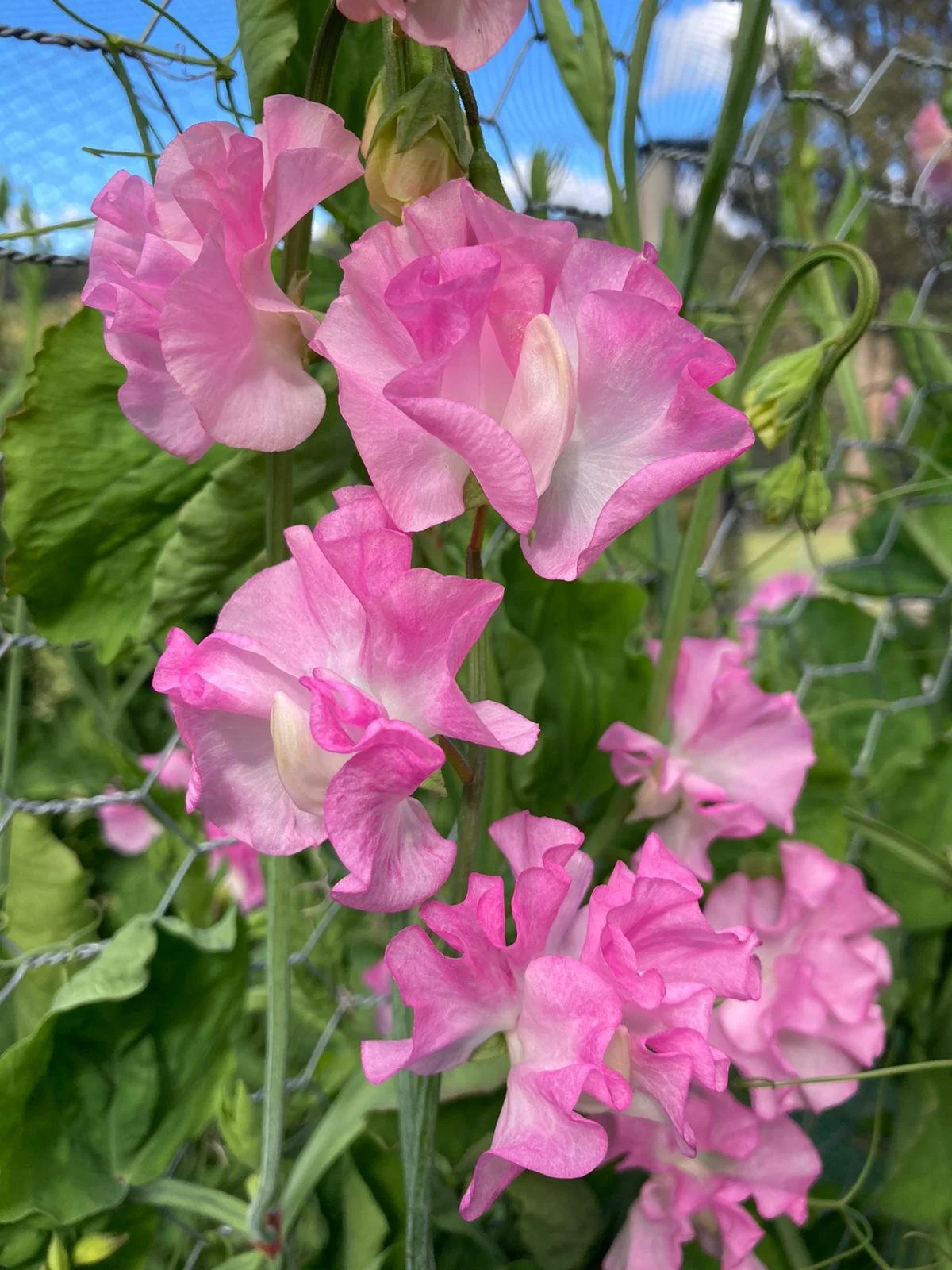
Sweet Peas
Cottage Garden Seeds have been growing heirloom Sweet Peas for over 5 years.
We are contract growers for other retailers, but we have decided to share our love of sweet peas!
We now hold an extensive range of sweet peas in Tasmania, and pride ourselves of making rare varieties available to the rest of Australia, and other parts of the world.
All of our seeds are hand cleaned and handpicked to ensure you are getting the best seeds.
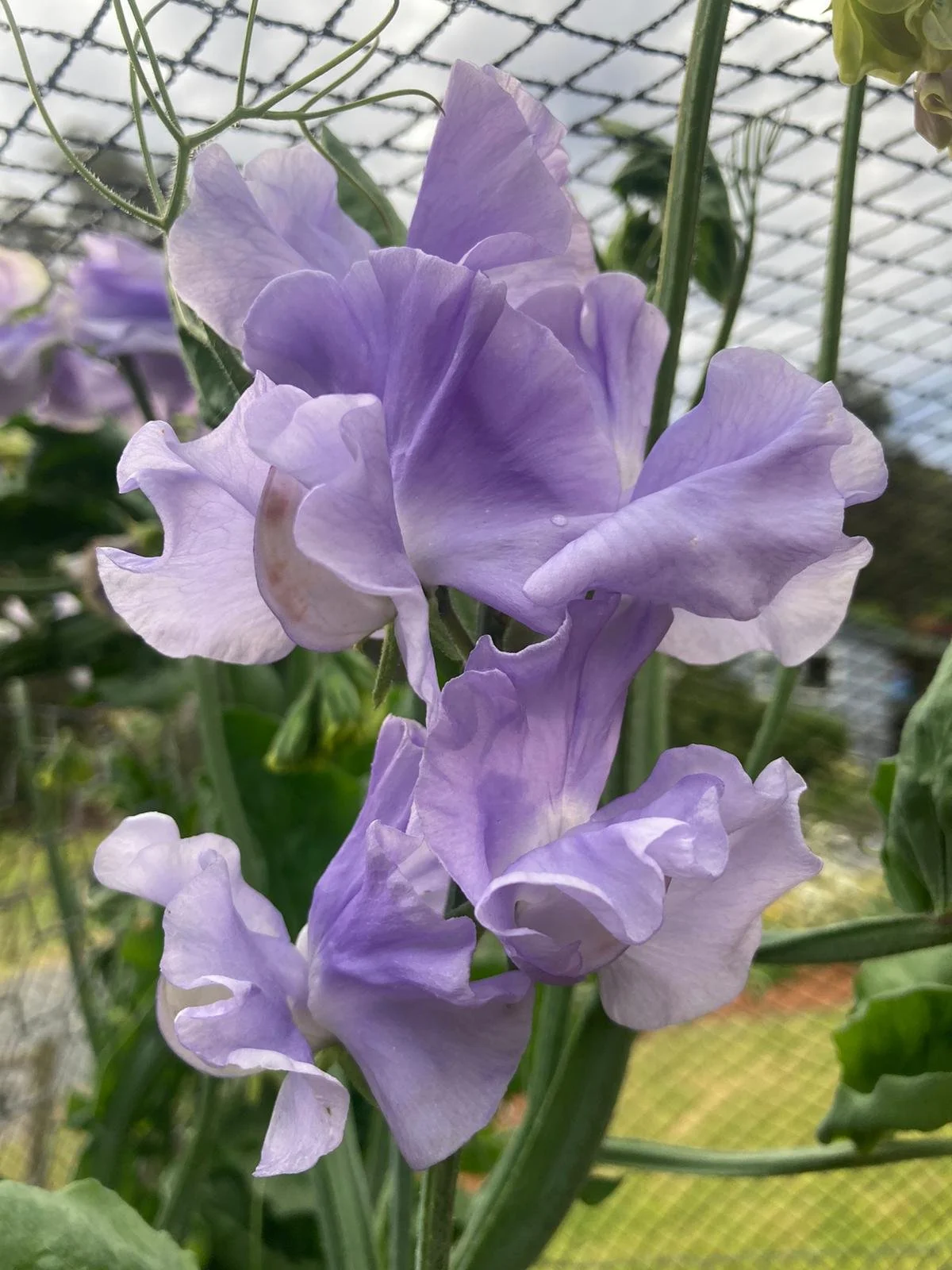
Breeder: Hanmer/Unwins
Born: 1990, UK
Flower: soft blue frilly flowers
Stem Length: 30cm
Scent: 5/5
Late Flowering: needs 12 hours of sunlight to flower
Height: 2.5m
Needs support
Great all-rounder: cut flowers, as a feature in cottage garden
10 seeds per packet
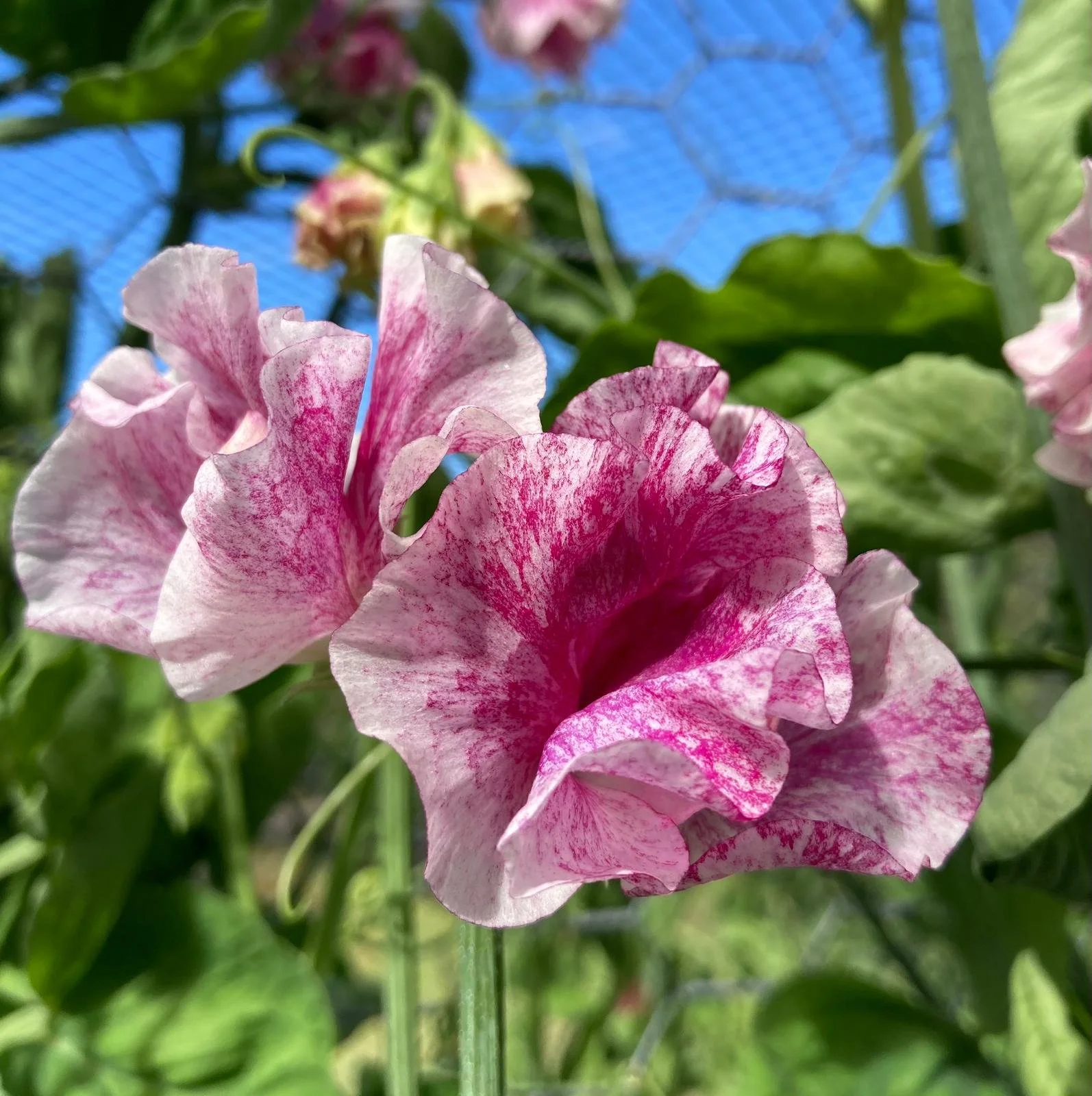
Breeder: unknown
Born: 1956, South Australia
Flower: deep pink flake on cream background
Stem length: 20cm
Scent: 4/5
Early Flowering: needs 10 hours of sunlight to flower
Height: 2.5m
Beautiful sweet pea, great use in a vase.
10 seeds per packet
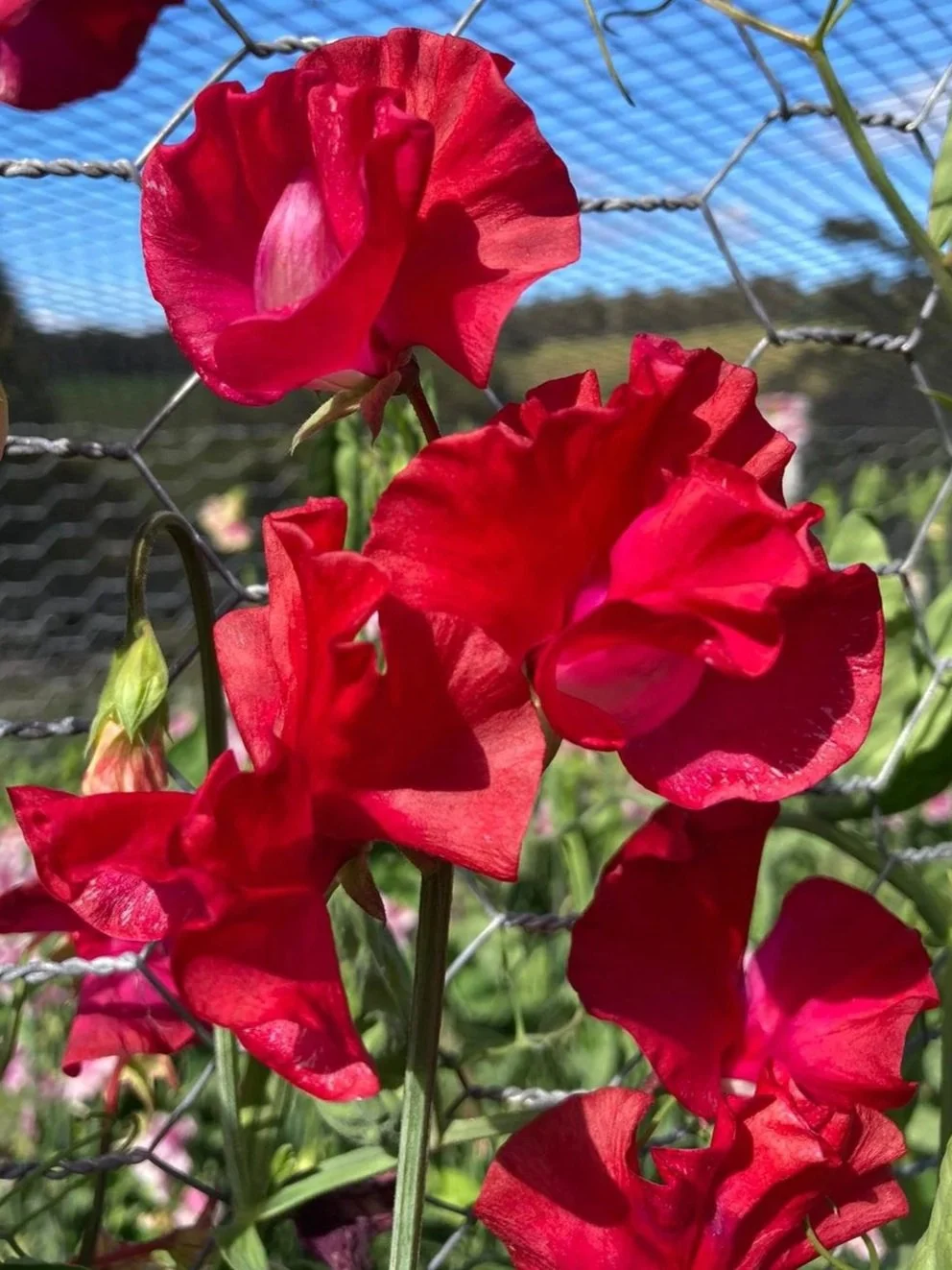
Raiser: Harkness
Born: Australia 1963
Colour: Deep red flower.
Stem 20cm
Height to 3m
Full sun
Mid flowering - needs 10 hrs of sunlight
Scent: 3/5
10 seeds per packet
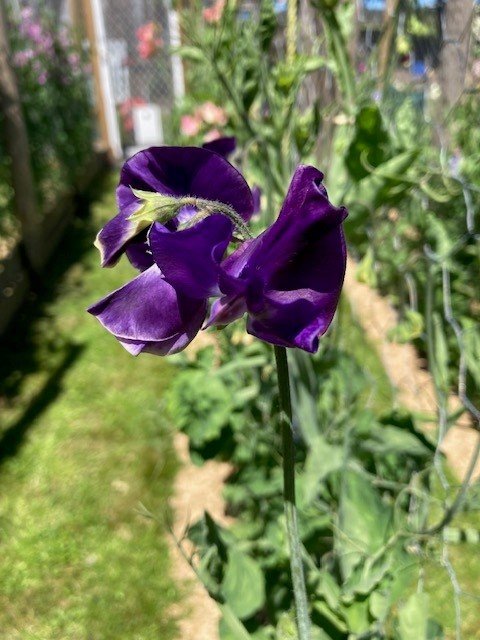
Raiser: Justin Howell
Born: Glengarry, Tasmania 2025
Flower: Deep purple with white keel, derived from Mr P.
Scent: 3/5
Stem Length: 10cm
Height: 3m
Late Flowering: needs 12 hours of sunlight
Note: This is a sweet pea that Cottage Garden Seeds developed, named after Justin’s grandmother, the seed has now been added to the sweet pea bank in the UK.
10 seeds per packet
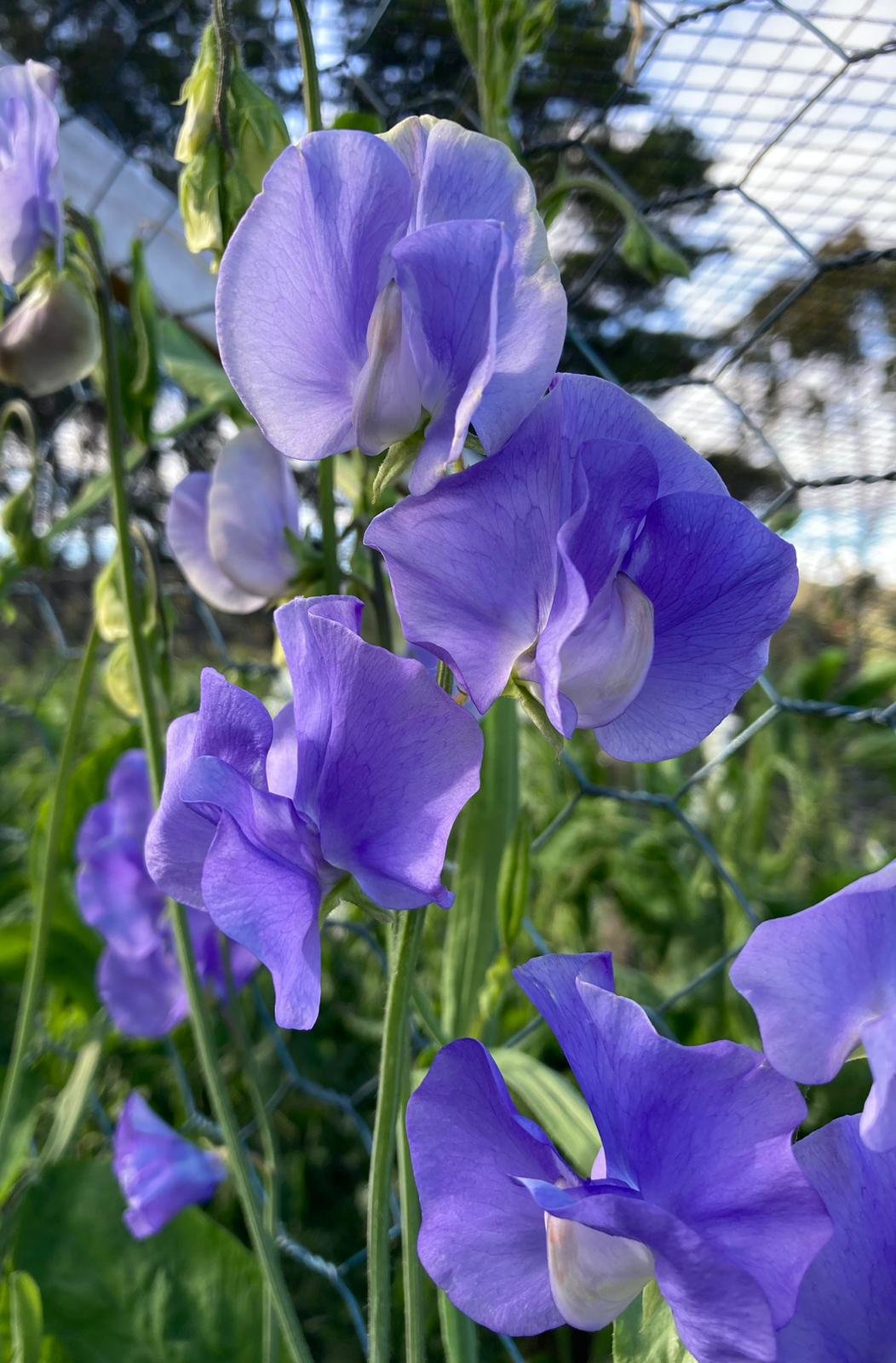
Raiser: Fragrant Garden
Born: 2007, UK
Flower: Mid Blue
Stem length: 20cm
Scent: 4/5
Early Flowering: needs 10 hours of sunlight to flower
Height: 2.5m
Needs support
Grown specifically for cooler climates
10 seeds per packet
History of Sweet Peas.
Sweet peas (Lathyrus odoratus) are native to the eastern Mediterranean, they were brought to western Europe in the late 17th century by Franciscan monk and botanist Francesco Cupani.
In 1793 the English gardener Henry Eckford began selective breeding in Scotland, producing larger flowers and a wider range of colours. His work, continued by other Victorian breeders, transformed the species from modest garden climber into the showy, fragrant cultivars prized today.
During the 20th century, breeders like, Dr Keith Hammett, Mr Roger Parsons and the MacDonald brothers; refined traits such as fragrance, stem length and disease resistance. Heirloom and open-pollinated varieties preserved the heritage of many classical colours and scents, while modern hybrids offer extended vase life and novel hues.
Sweet peas (Lathyrus odoratus) come in several distinct types, each with its own flower form, plant habit and growing characteristics.
Grandiflora & Semi-grandiflora (Old-fashioned)
The classic heirloom sweet pea form with large, flat, ruffled blooms and a delicate fragrance. Often called "old-fashioned" or "classical" sweet peas.
Use: Cut flowers, cottage garden beds.
Spencer
Developed in the late 19th century in England; Spencers have larger, more deeply ruffled blooms and longer stems. They often show more substance and range of colours.
Use: Cut flowers, floristry and show gardens.
Gawler’s
A classic heirloom sweet pea prized for its strong fragrance and robust climbing habit. Originating in Australia, this variety produces abundant, large blooms in a pleasing palette of soft pinks and creams, often with a slightly darker centre.
Fragrance: intense, traditional sweet pea scent
Habit: tall, twining climber; good overall vigour
Flower size: medium to large sprays of multiple blossoms per stem
Growing conditions for sweet peas.
Performs well in temperate to cool seasons; appreciates cool nights for best flowering. In warm or hot climates, plant in autumn or early spring for cooler growth periods.
Soil: Prefers fertile, free-draining soil enriched with organic matter. Neutral to slightly alkaline pH favoured.
Light: Full sun to part shade. In hot regions provide afternoon shade to prolong flowering.
Water: Keep evenly moist during growth and flowering; reduce water slightly after flowering subsides.
Support: Provide sturdy support such as netting, trellis and tie young shoots as needed.
Sowing and care
Depth & spacing: Sow direct 1–2 cm deep, we do 2 seeds per hole
Feeding: Apply a low-nitrogen, higher-phosphorus feed at planting and again during early flowering to encourage blooms rather than excessive foliage.
Deadheading: Regularly remove spent blooms to extend flowering.
**All parts of the sweet pea are poisonous to humans and dogs/cats, do not eat any part of the sweet pea.